A Literary Walk Through the Lost Generation’s Paris
 Tomas Kauer - International News Writer and Moderator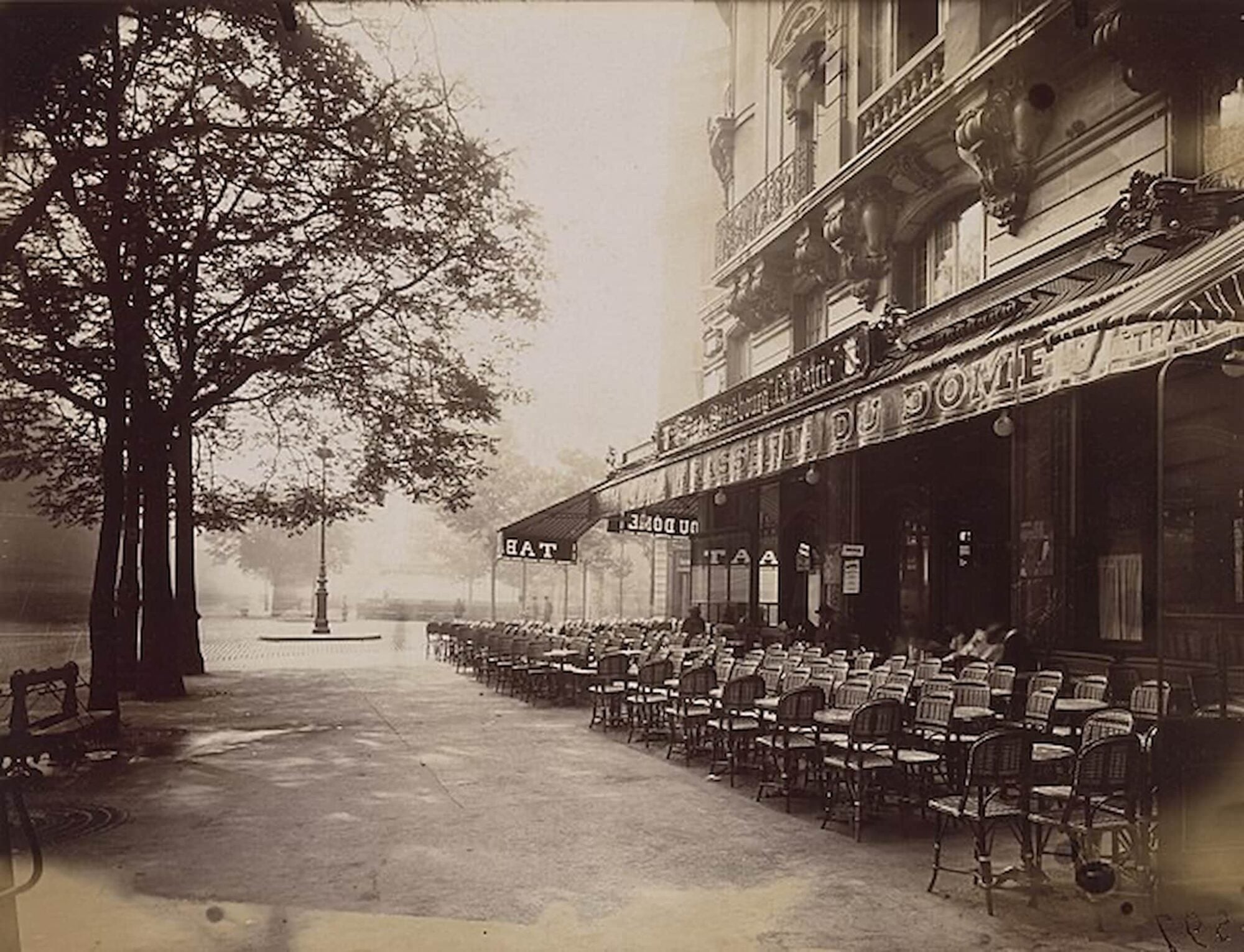
After dozens of visits to Paris, I always find myself drawn to a familiar circuit of historical sites—the cafés and residences of the Lost Generation.
I was first introduced to the Lost Generation as a literature major in college and have been mildly obsessed ever since. The creative output of that tribe was so immense, and their bohemian adventures so inspiring, that I wrote and published a historical novel, The Ashtrays Are Full and the Glasses Are Empty featuring many figures from the Lost Generation. Each return to the city is like stepping back into their world.
Traces of the Lost Generation still linger across the Left Bank—in the same charming streets, historic cafés, and apartments once occupied by these iconic figures. With a good pair of walking shoes, you can still follow the paths once taken by Hemingway, Fitzgerald, and their contemporaries.
Who Were the Lost Generation?
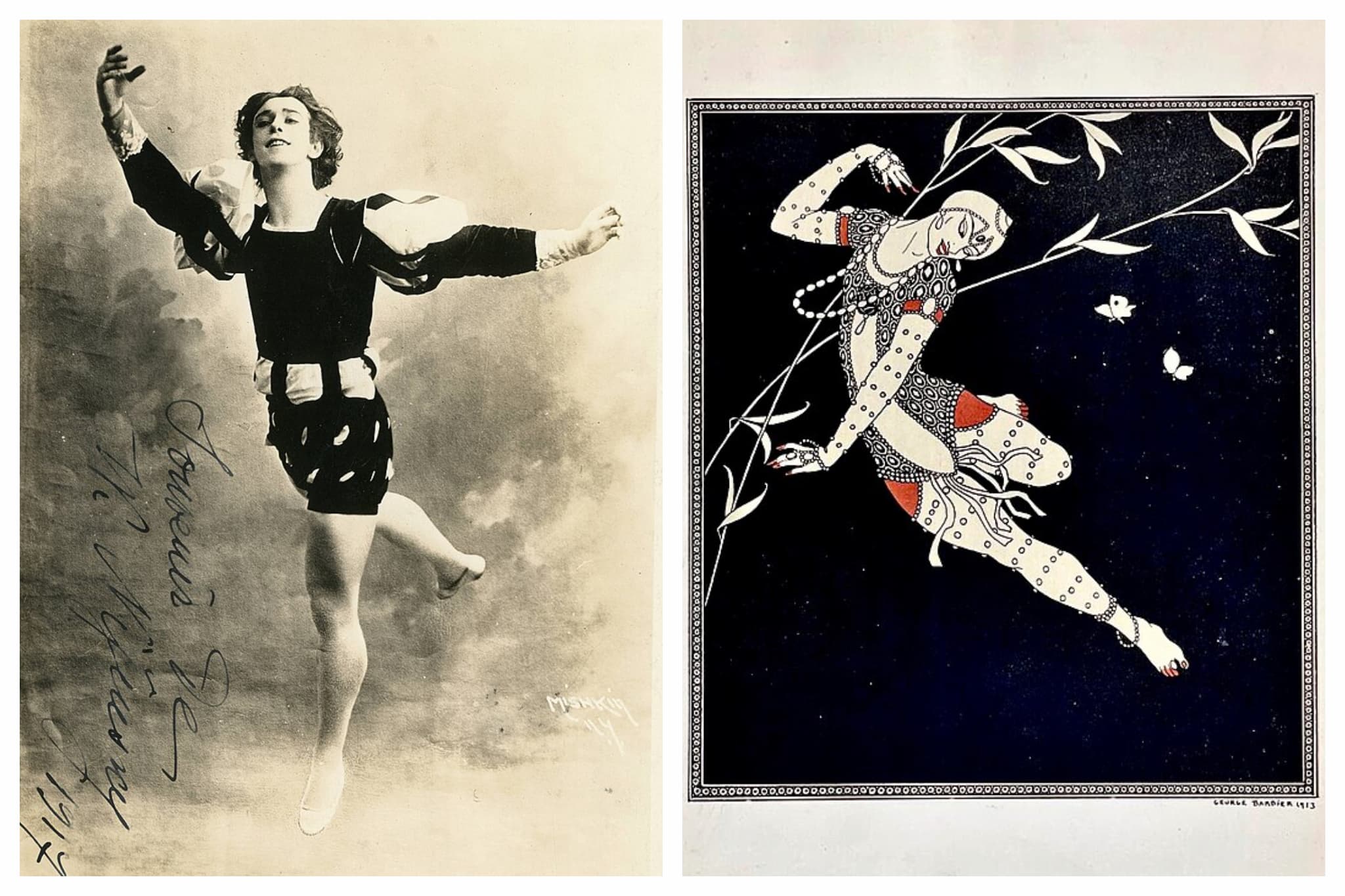
This loose term refers to that remarkable circle of artists and intellectuals who gathered in the City of Light after World War I. They went on to redefine their artistic mediums in literature (Hemingway, Fitzgerald, Ezra Pound, and Gertrude Stein, for example), art (think Picasso, Léger, Braque, Matisse, and Dalí), music (Erik Satie, Cole Porter, and Stravinsky), and dance (Diaghilev, Mikhail Fokine, and Vaslav Nijinsky). For a brief moment in the 1920s, many of the most daring artistic minds of the twentieth century seemed to converge in Paris at the same time.
Returning home after the war, many American soldiers struggled to resume a life that no longer felt relevant. Compounding that sentiment was a new American Puritanism, heightened in 1919 by Prohibition. Paris, meanwhile, was in the midst of its own post-war economic recovery and was dirt cheap. Suddenly it became a gathering place not only for young Americans, but for expats from all over Europe. As if ignited by an artistic flame, emerging artists found themselves in the same city at the same time. We’ve been enjoying the fruits of their collective labors ever since.
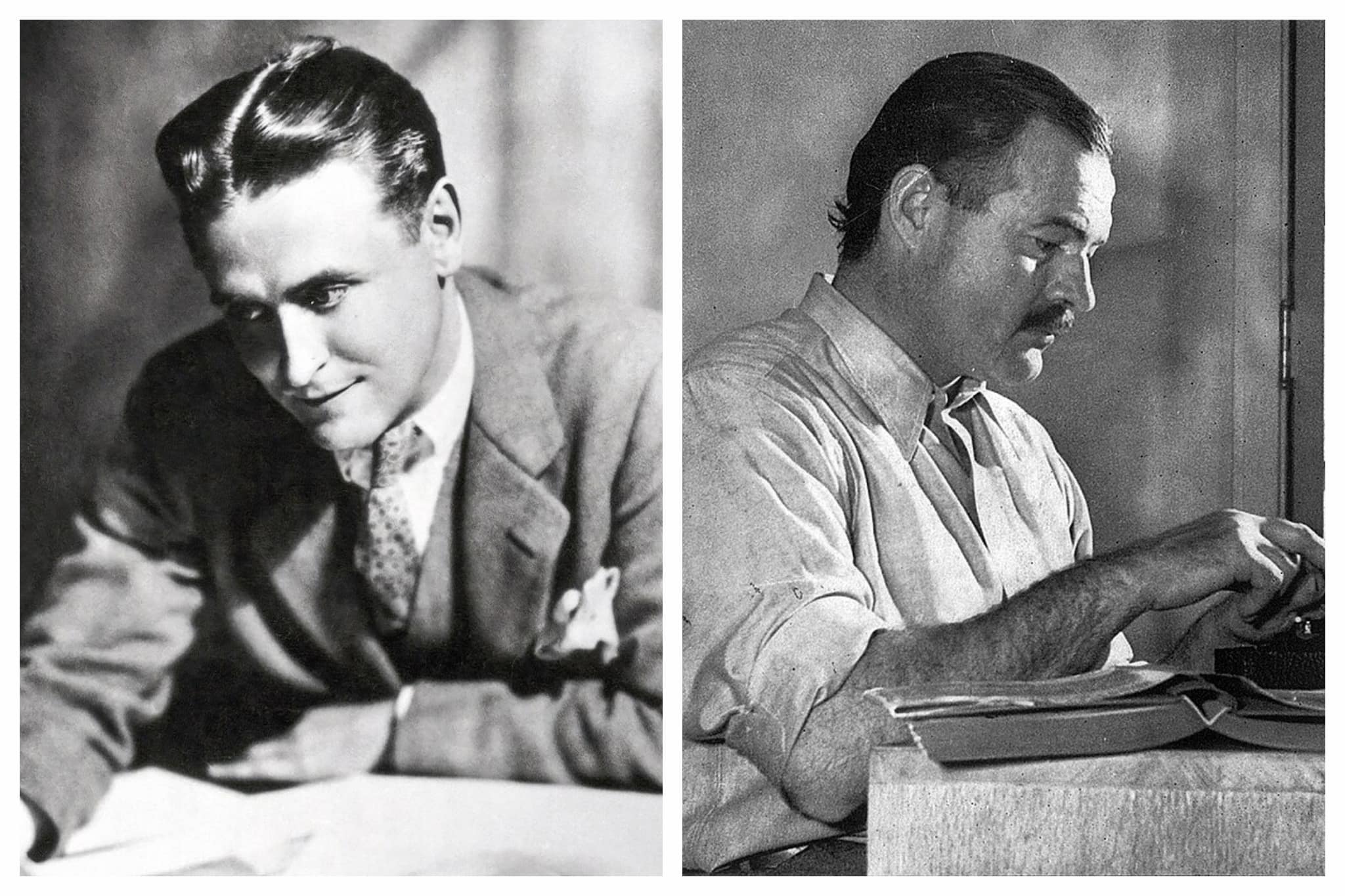
Here are a few of my favorite haunts where you can revisit Paris’ 1920s bohemian past. Most of them are centered in the Left Bank of the 6th Arrondissement, easily walkable (with perhaps a stop or two for coffee or an aperitif).
Lost Generation Sites in Paris
- Shakespeare & Company — the iconic English-language bookshop, founded by Sylvia Beach
- 74 rue du Cardinal Lemoine — the first Paris apartment of Ernest Hemingway
- Place de la Contrescarpe — neighborhood cafés frequented by Hemingway
- La Closerie des Lilas — where Hemingway wrote The Sun Also Rises
- The former Dingo American Bar — Hemingway first met F. Scott Fitzgerald here
- La Rotonde — Montparnasse café associated with the artistic avant-garde
- 27 rue de Fleurus — the famous literary salon of Gertrude Stein
From there, you can continue exploring other sites across Paris connected to this extraordinary artistic circle.
Shakespeare & Company
A perfect place to begin your walk is the Shakespeare & Company bookshop on rue de la Bucherie, overlooking the Seine. Anyone who’s read A Moveable Feast or any biography of a Lost Generation figure knows about this legendary bookseller. Originally founded at 8 rue Dupuytren by Sylvia Beach, today’s incarnation was opened by George Whitman in 1951. The current owners maintain the same generous literary spirit, allowing struggling writers to stay overnight when needed. (Note the motto inscribed over the door: “Be not inhospitable to strangers, lest they be angels in disguise.”)
Hemingway’s First Paris Home
Next, wander south in the 5th to 74 rue du Cardinal Lemoine, where Hemingway lived with his wife, Hadley, and son, Bumby (look for the bright blue door). Just up the street, at 39 rue Descartes, is where the author had his writing studio for a time. There are a couple of lovely cafés on Place de la Contrescarpe, where you can sit and write deep thoughts or pen the perfect sentence in the shadow of the iconic writer’s first Paris home.
La Closerie des Lilas
Head southeast to the 6th, where you’ll find La Closerie des Lilas. Now an upscale restaurant, this was a favorite writing spot of Hemingway’s, where he wrote much of The Sun Also Rises. Fitzgerald also read The Great Gatsby to Hemingway here, asking his advice on why it wasn’t selling well. Later, they met here to plan their ill-fated trip to Lyons, an experience that solidified their literary relationship.
Where Hemingway Met Fitzgerald
Make your way west to the 14th and find the Auberge de Venise (formerly the Dingo American Bar). This was not only a regular nightspot for many members of the Lost Generation, but it’s where Hemingway and Fitzgerald first met in April 1925. It was the beginning of a legendary, complicated friendship and rivalry.
La Rotonde
Practically next door you’ll find La Rotonde, the legendary café that was ground zero for new artistic ideas including Dadaism, Surrealism, and Cubism. It was said to be Picasso’s favorite café, and was frequented by other notable artists such as Diego Rivera and Modigliani. In The Sun Also Rises, Hemingway writes, “The taxi stopped in front of the Rotonde. No matter what café in Montparnasse you ask a taxi-driver to bring you to from the right bank of the river, they always take you to the Rotonde.”
Gertrude Stein’s Salon
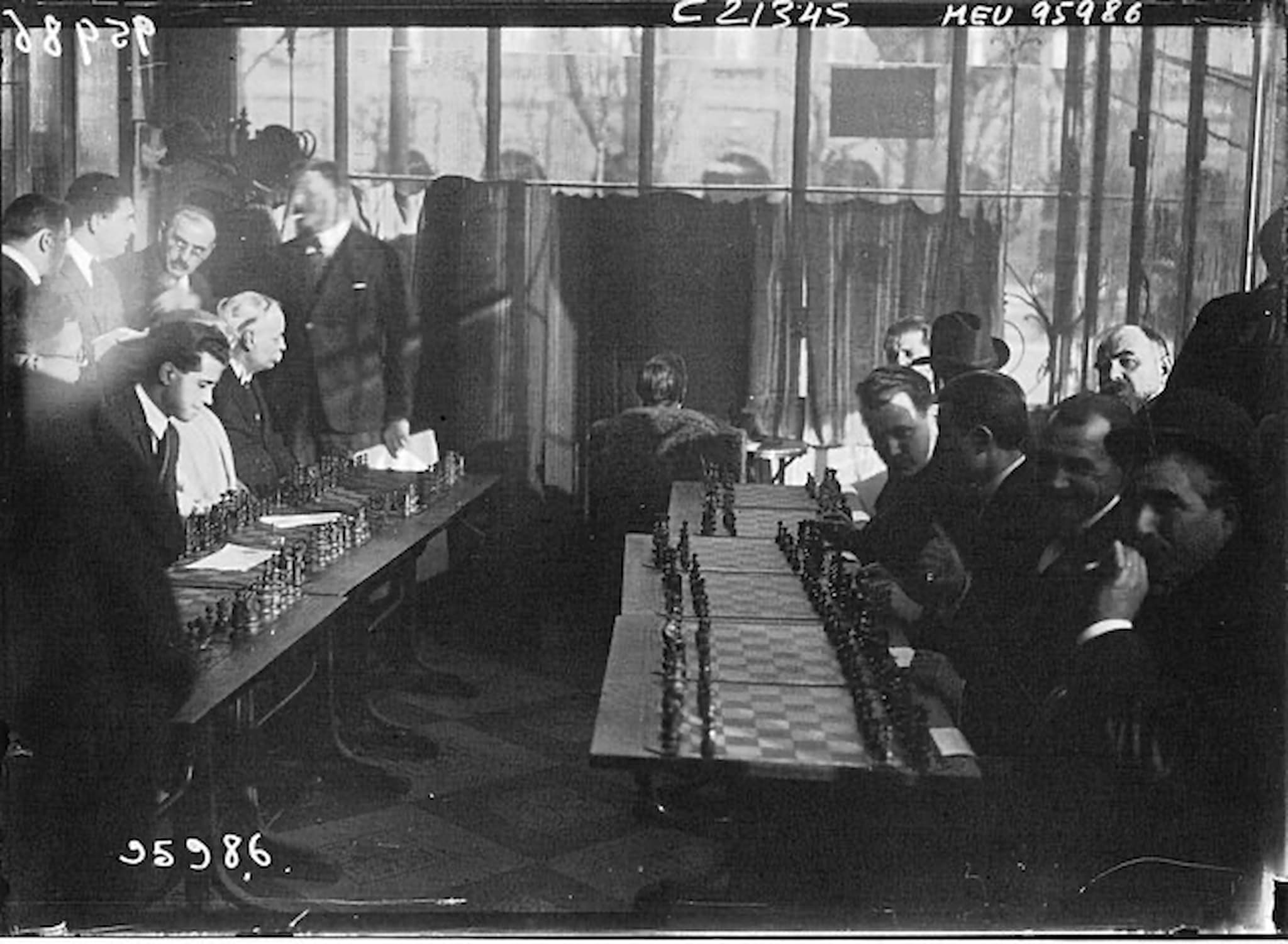
Gertrude Stein arrived in Paris well before her fellow Americans and was a valuable mentor to Hemingway and other young writers. In an otherwise nondescript building at 27 rue de Fleurus, Stein and her partner, Alice B. Toklas, assembled Paris’ greatest private collection of modern art and held their legendary salons on Saturday evenings. Stein would sit and drink with the male writers, while Toklas would serve tea to the wives.
Sara and Gerald Murphy
Lesser known among the Lost Generation were Sara and Gerald Murphy, young trust-fund Americans who arrived in Paris in 1921 and immediately appreciated the talents of their new artistic friends. At 23 Quai des Grands Augustins (at rue Git-le-Cœur), the Murphys bought their first Paris apartment, from which they enjoyed a beautiful view across the Seine to the Île de la Cité. Before they’d even moved in, they hosted a wild party in honor of the Russian Kamerny Theater’s experimental production of The Man Who Was Thursday.
The Fitzgeralds in Paris
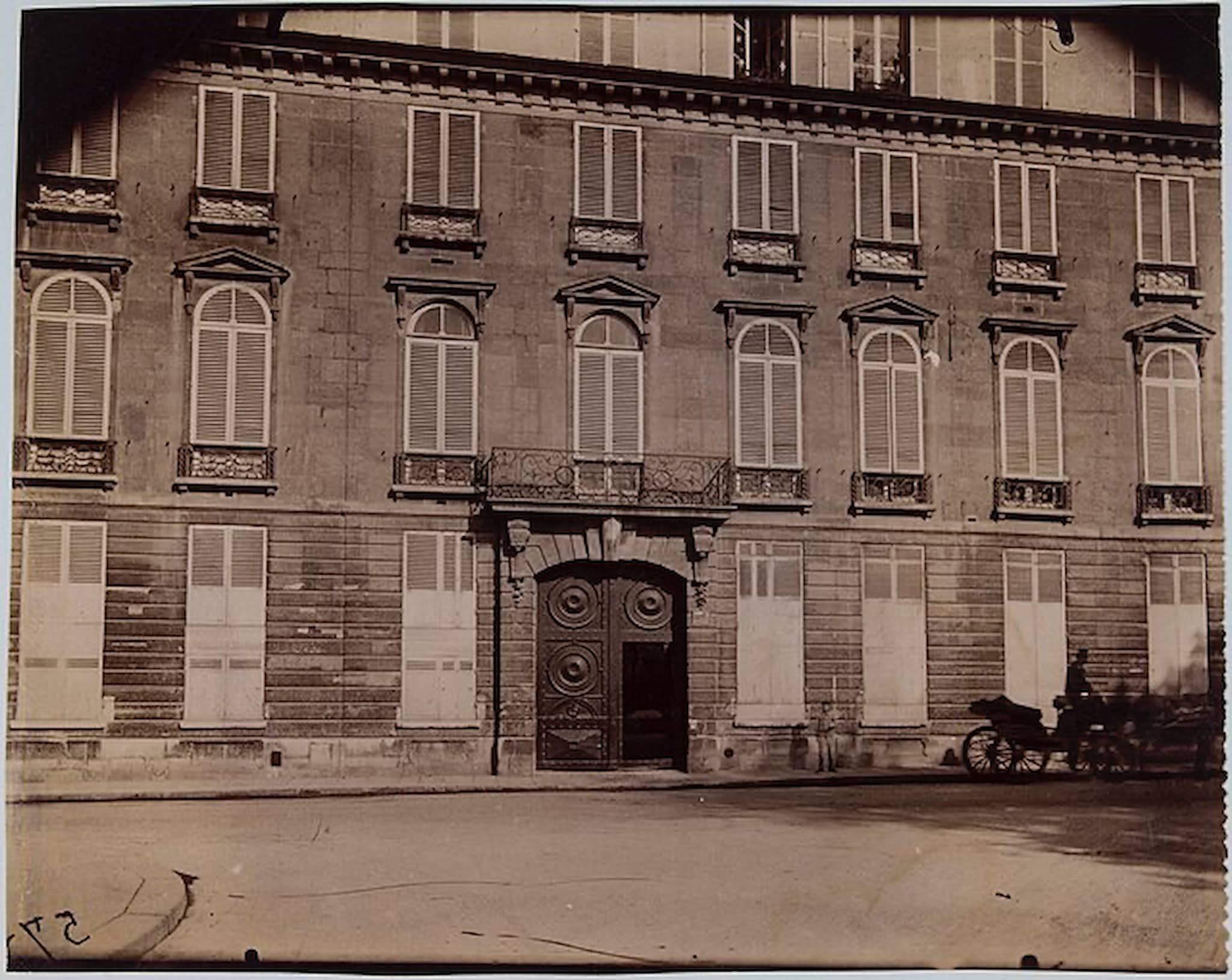
At the northwestern corner of the Luxembourg Gardens, you’ll find 58 rue de Vaugirard, the ritzy first Paris residence of F. Scott and Zelda Fitzgerald. Unlike the Hemingways, who were struggling and poor, the Fitzgeralds were spendthrifts and loved to live large. When they arrived in Paris, Scott was coming off his first great literary success with This Side of Paradise.
Beyond the Left Bank
The next four locations are farther afield from bohemian ground zero in the Left Bank, and would best be explored on separate days.
On the Right Bank in the 8th, watch for the Bateaux Mouches at Pont d’Alma, Port de la Conférence. The night of July 1, 1923, Sara and Gerald Murphy hosted a legendary party on a barge called Le Maréchal Joffre to celebrate the opening night of Igor Stravinsky’s new ballet, Les Noces, that attracted the full array of the bohemian elite. Guests included Jean Cocteau, Tristan Tzara, Stravinsky, Picasso, and Diaghilev.
Just northwest of the Arc de Triomphe, you’ll find 14 rue de Tilsitt, the second residence of the Fitzgeralds. Hemingway used to claim that he felt uncomfortable going to their apartment, and that he much preferred his slummier surroundings on the Left Bank. It’s said that it was along this street that Scott once stole a baker’s bicycle and baguette and rode down to the Champs Élysées, swatting at passers-by with the bread. On the ground floor, Café l’Étoile 1903 is a great place to grab a coffee or a bite to eat.
Picasso’s Studio in Montmartre
Scale the steep hills of Montmartre to find Le Bateau-Lavoir. Nicknamed “the Washhouse Boat,” this is the site of Picasso’s fabled first studio, where he and Georges Braque developed Cubism. Among the masterpieces he painted here were Les Demoiselles d’Avignon (1907), Garçon à la Pipe (Boy with a Pipe) (1905), and Portrait of Gertrude Stein (1905–1906).
Paying Respects at Père-Lachaise
If time and energy permit, take a cab or Metro (lines 2 or 3) to Cimetière du Père Lachaise in the 20th, “the most visited necropolis in the world.” Scores of famous artists, writers, and musicians are buried here (notably including Jim Morrison of the Doors). Gertrude Stein and Alice B. Toklas are buried together in Division 94.
If you’re inspired to read more about these fascinating characters, I recommend the following books:
- A Moveable Feast — Ernest Hemingway
- The Autobiography of Alice B. Toklas — Gertrude Stein
- Sylvia Beach and the Lost Generation — Noel Riley Fitch
- The Paris Bookseller — Kerry Maher
- The Paris Wife — Paula McLain
- Everybody Was So Young — Amanda Vaill
- The Ashtrays Are Full and the Glasses Are Empty — Kirsten Mickelwait
- The Sun Also Rises — Ernest Hemingway
- The Book of Salt — Monique Truong
RELATED LINKS
- Get to know Saint-Germain-des-Prés in another light by exploring the Secrets Behind the Postcards.
- Ever wonder how French beauty seems so effortlessly perfect? Learn to how to embrace a Classic Parisan Style.
- If you’re looking for another quartier to explore, here’s our suggestions for The Perfect Solo Afternoon in the Marais.
Written by Kirsten Mickelwait. Looking to travel? Check out Plum Guide and our Marketplace for fabulous vacation rentals in Paris, France or Italy. Looking to rent long or short term, or buy in France? Ask us! We can connect you to our trusted providers for amazing service and rates or click here. Looking to bring France home to you or to learn online or in person? Check out our marketplace shop and experiences.